Seafaring Safety: A Comprehensive Guide to Fire Prevention on Yachts
Fires aboard yachts present a significant and potentially catastrophic danger due to the confined spaces, abundance of flammable materials, and the often remote locations at sea where immediate assistance may not be readily available. Mitigating this risk requires a multi-faceted approach encompassing prevention, training, emergency response protocols, and well-maintained equipment. Here’s how yacht crews can bolster their fire safety measures:
Prevention:
- Regular Maintenance: Ensuring all electrical and mechanical systems undergo regular inspections and maintenance is paramount to prevent potential malfunctions that could lead to fires.
- Use of Fire-Resistant Materials: Incorporating fire-resistant materials in both construction and furnishings wherever possible adds an extra layer of protection against fire hazards.
- Strict Smoking Policies: Enforcing strict smoking policies and designating specific smoking areas away from flammable materials are crucial. Clear instructions and explanations of the policy’s importance should be provided to guests.
Training and Emergency Response:
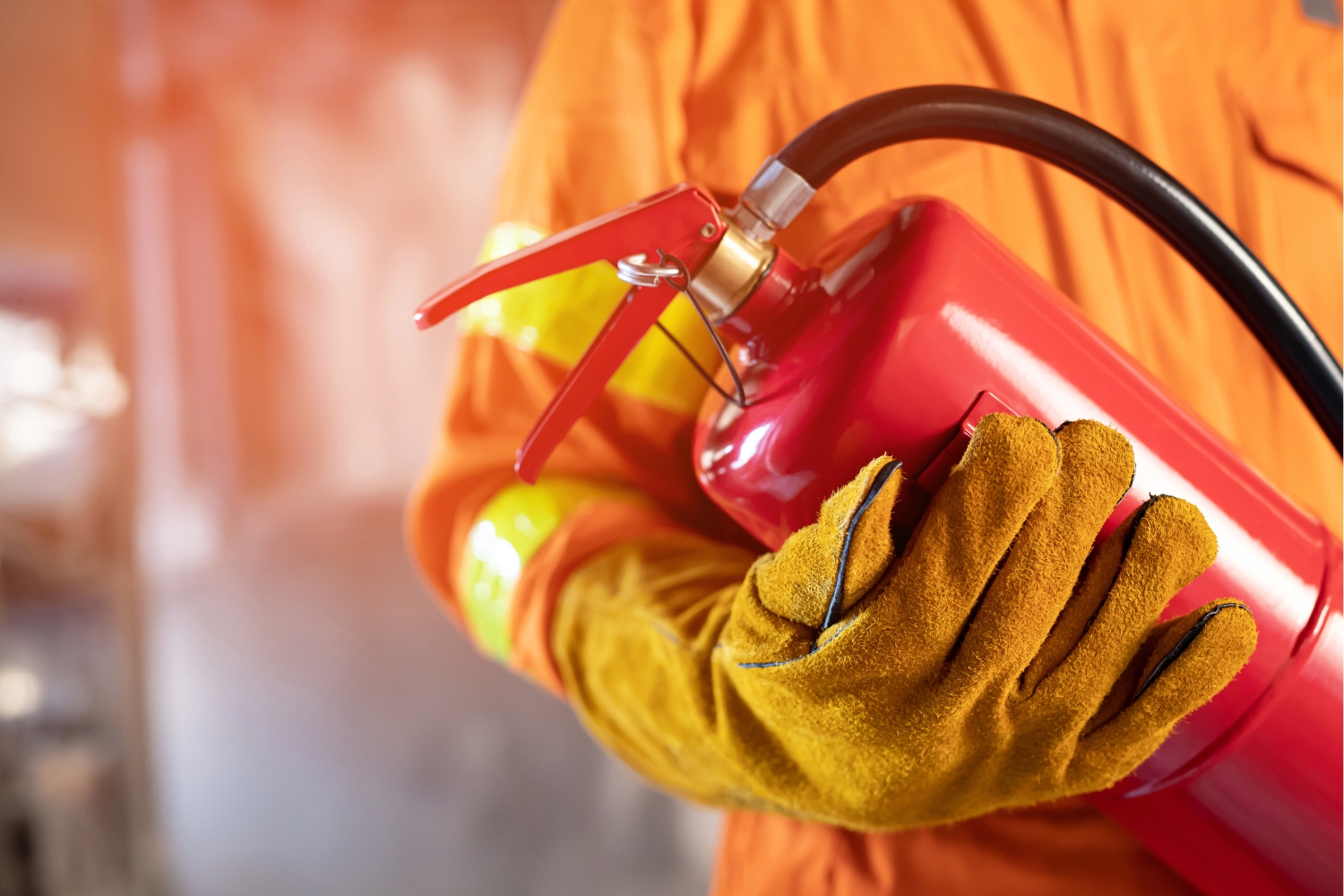
- Fire Safety and First Aid Courses: Compulsory for all crew members, comprehensive training in basic firefighting techniques and first aid, including proper fire extinguisher use and emergency injury response, is essential. Regular updates to this training are also required to ensure skills remain current and effective in addressing potential fire hazards and medical emergencies aboard the yacht.
- Fire and Emergency Drills: Conducting regular fire and emergency drills ensures that crew members are familiar with emergency procedures, including locating firefighting equipment and safely evacuating the yacht in the event of a fire.
- Immediate Action and Evacuation: Crew members must swiftly follow established emergency procedures in the event of a fire. If the situation escalates beyond control, preparations for abandoning the yacht according to established evacuation protocols should be made.
Equipment and Escape Routes:
- Fire Extinguishers: Regular checks to ensure the yacht is equipped with the appropriate number and type of fire extinguishers, along with maintenance schedules, are essential.
- Fire Suppression Systems: Larger yachts are equipped with automatic fire suppression systems, particularly in critical areas like the engine room, to help contain fires.
- Clearly Marked Exits and Emergency Lighting: All exits have to be clearly marked, well-lit, and easily accessible. Emergency lighting aids crew members in navigating smoke-filled areas and identifying escape routes.
Communication:
- Emergency Procedures: Captains must establish clear communication protocols for reporting and responding to fires, ensuring all crew members are familiar with them.
- Emergency Contact Information: All crew members have to be aware of emergency contact information and procedures for notifying relevant authorities.
- Distress Signals: Yachts have to be equipped with distress signals such as flares to attract attention in emergencies.
Communication with Emergency Services: Crew members should establish communication procedures with local authorities to summon assistance if required.
By prioritizing prevention measures, providing comprehensive training, and implementing effective emergency response plans, yacht crews can significantly reduce the risks associated with fires onboard. If you’re seeking a highly capable team to manage your yacht, don’t hesitate to contact us.